

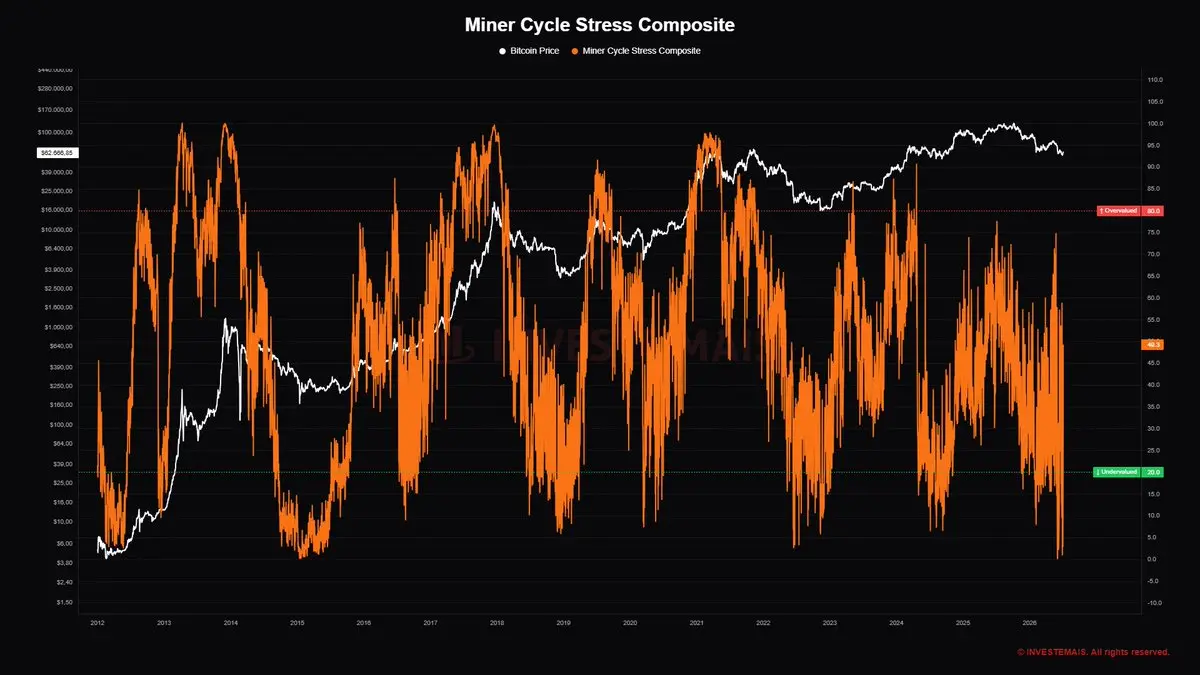
The Bitcoin miner community is gaining widespread attention as the sector is flashing one of its rarest signals in over a decade. As of early July 2026, with BTC trading near $63,000, down roughly 50% from its October 2025 all-time high of $126,080, the community is staring at a stress reading where the Bitcoin Miner Cycle Stress Composite has reached historical lows! Something that has previously occurred only a handful of times since the inception of Bitcoin.
This article breaks down what the composite actually measures, why it matters, and what history suggests could come next.
Who are Bitcoin miners?
A Bitcoin miner is an operator that works on specialized computer hardware, ASICs (application-specific integrated circuits), to solve incredibly difficult and data-intensive cryptographic puzzles. In return, the miner is awarded block rewards for the blocks they mine, (currently 3.125 BTC per block after the 2024 halving) plus transaction fees.
What started as a hobbyist activity on home laptops has evolved into a multi-billion-dollar global industry, with large-scale data centers competing for a share of network hashrate. Because their revenue is tied directly to price, difficulty, and reward schedules, Bitcoin miners are often the first participants to feel the pinch when conditions turn unfavorable.
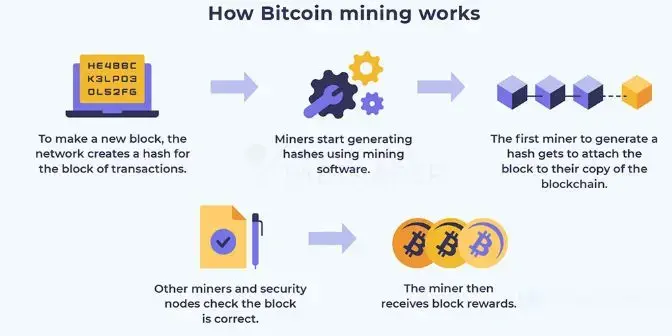
What is the Bitcoin Miner Cycle Stress Composite?
The Bitcoin miner stress composite in question actually is a composite indicator developed from two widely followed on-chain metrics: the Puell Multiple which tracks miner revenue against its historical average, and an inverted Miner Capitulation Index, which measures forced selling and shutdown behavior.
Because these two metrics capture different sides of miner economics; revenue generation versus operating cost pressure, their combined alignment has historically offered a sharper read on cycle extremes than either indicator alone. When both signals compress together, it typically means the entire mining industry, not just a handful of weaker operators, is under strain.
Why has Bitcoin Miner Stress dropped into the undervalued zone?
The latest data points towards a fresh 2026 low in the composite, snapping deep back into its recent historically “undervalued” territory. Such a coordinated move has lined up with every major Bitcoin bottoming move in 2015, 2018, 2020, 2022 and 2024. The fact that this reading hit its true extreme only one other time, and that was in that brutal 2015 capitulation move where Bitcoin plunged from about $300 down to $160 in about two weeks, makes this one of the most rare stress events ever for crypto’s foremost coin.
What is driving the pressure on Bitcoin miner economics?
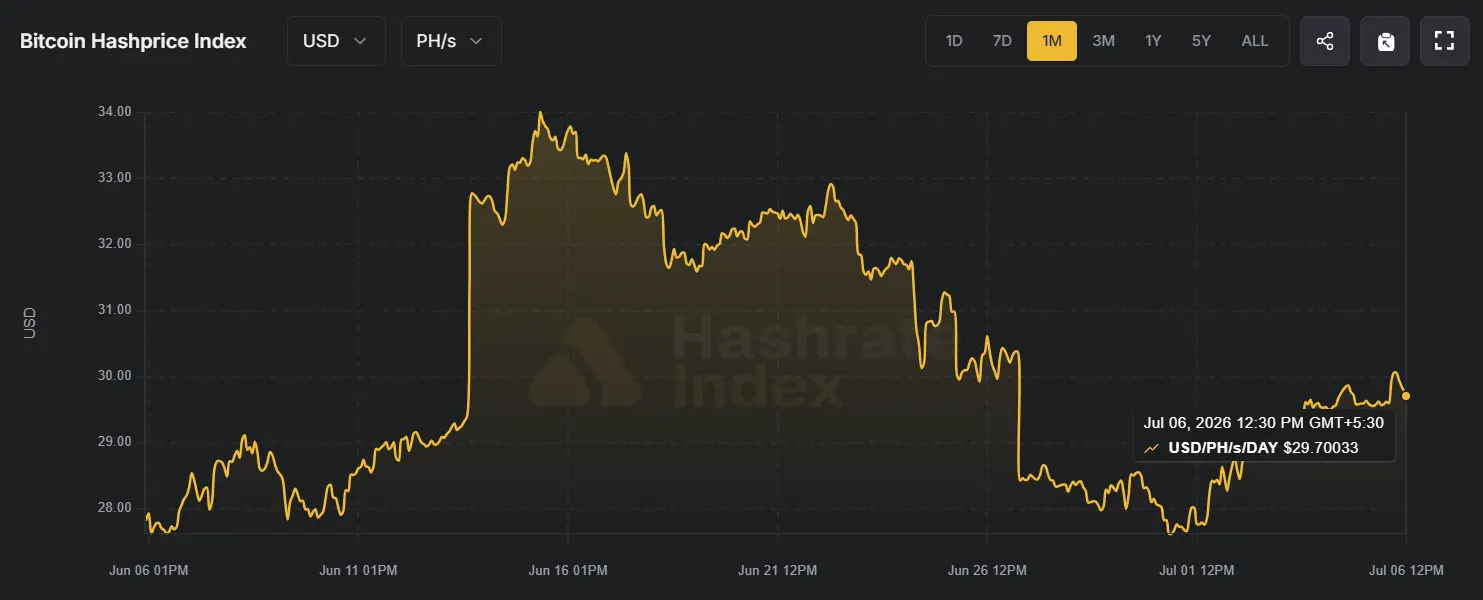
Hashprice, the daily dollar revenue earned per unit of computing power, has become the clearest real-time gauge of mining health in 2026. It has slipped to roughly $29.68 per petahash per second, a level many operators consider near or below breakeven. Meanwhile, average production costs across the industry are estimated between $70,000 and $87,000 per coin, depending on energy prices, efficiency and methodology. well above BTC’s current trading range.
This gap between market value and true production expense is precisely the kind of Bitcoin mining price disconnect that has, in every previous cycle, eventually forced weaker operators offline.
Did the 2024 halving make Bitcoin mining rewards too hard to sustain?
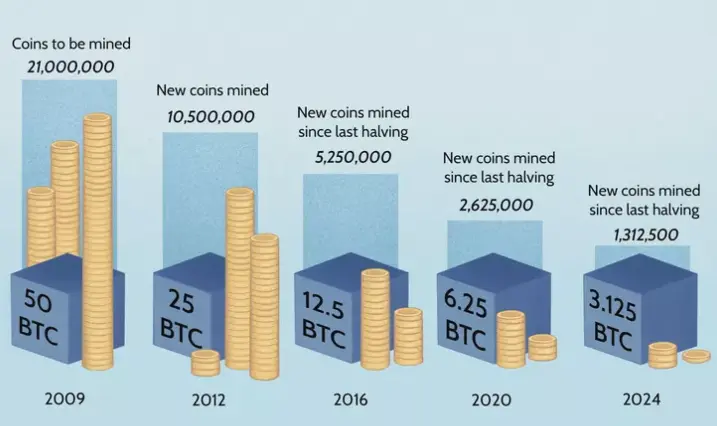
Yes, and its effects are still playing out. First, as the 2024 halving replaced the 6.25 BTC reward for Bitcoin miners with 3.125 BTC per block, instantly slashing miner income.
Second, because of an increasing global hashrate and increased costs of energy, Bitcoin mining has become more of an energy arbitrage business rather than simply a computing race.
Third, based on industry mining trackers such as TheMinerMag and the aggregated world hashrate, it’s been found that as of mid-2026, an estimated 15–20% of total mining capacity has become unprofitable, pushing many legacy machines into early retirement.
What happens when Bitcoin miners capitulate?
- Weaker operators shut down machines to cut losses
- Falling hashrate triggers a network difficulty reduction
- Lower difficulty restores margins for surviving operators
- Selling pressure from distressed miners gradually fades
- Network stabilizes as inefficient hardware exits permanently
- Remaining Bitcoin miners typically emerge with stronger unit economics
What should traders and investors expect next?
History suggests that this stage of the cycle is more often a herald of recovery than an endorsement of further collapse (although the timing is unclear). JPMorgan’s February 2026 research project noted that higher-cost operators had been divesting Bitcoin holdings to back operations or pay down debt, and these sources indicate that the pace of distressed selling has since decelerated.
Some analyses suggest that a cycle low might form in the $50,000–$55,000 range between October and December 2026, while others see the ETF cost basis near $80,000 as a potential floor in the future. Both views agree on one thing: elevated stress readings like this one rarely persist indefinitely.
Why does this matter beyond the Bitcoin mining industry?
Even readers who are not Bitcoin miners should care about this signal, because miner behavior has repeatedly acted as a leading indicator for broader Bitcoin price action. This is the sense of markets that the drop in distressed selling, which effectively is a steady supply of Bitcoin to the market, when dries up, provides price stability.
Citi recently cut its 12-month price target on Bitcoin, suggesting that the lack of ETF flow volatility coincides with a convergence in mining economics, institutional sentiment, and price expectations for Bitcoin mining.
Final Thoughts
The Bitcoin Miner Cycle Stress Composite sliding to a historic low is not a guarantee of an imminent bottom. It does, however, put 2026 in the same line with 2015, 2018, 2020, 2022 and 2024. For long-term participants, the lesson from every prior cycle remains consistent, that periods of extreme miner stress resolve themselves through a combination of hardware shutdowns, difficulty resets and survival into a new profitable cycle.
Whether this translates into a swift recovery or a slower grind through the second half of 2026, the current data makes clear that mining economics deserve close attention in the months ahead.
Is Bitcoin mining still profitable for beginners?
For the average individual using standard hardware or GPUs at home, solo mining is rarely profitable due to high electricity costs and intense competition. Profitability largely requires industrial-scale ASIC infrastructure and access to cheap, often renewable, power.
What is the Bitcoin Miner Cycle Stress Composite?
It is a metric that merges miner revenue dynamics with cost dynamics to gauge the financial health of the network. When revenue drops significantly below historical averages relative to costs, the composite spikes toward stress.
What does it mean when the indicator enters the “undervalued” zone?
It indicates that miners are under historically rare levels of operational pressure, usually facing depressed profits and high network difficulty. Historically, synchronous collapses in this index have marked major cycle bottoms, presenting long-term recovery opportunities.