

The crypto industry has effortlessly transformed digital finance into a world of decentralized and borderless transactions. But with innovation comes the risk of cyber threats, one of which is Crypto Typosquatting. This ill-intentioned practice includes cybercriminals registering domains similar to well-known crypto exchanges but containing minor spelling errors. They aim to trick users into divulging sensitive details, incurring possible financial losses and security compromises.
How Does Crypto Typosquatting Work?
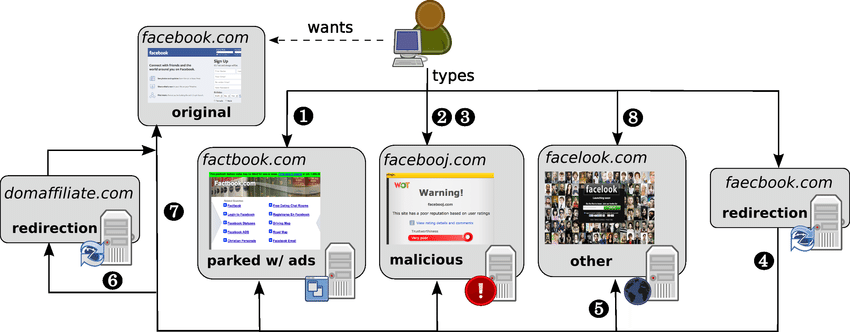
Cybercriminals use Crypto Typosquatting to take advantage of human mistakes. Their most frequently employed methods include:
- Domain Registration: Attackers register domains with slight differences, like “bitcoiin.com” rather than “bitcoin.com”
- Phishing Attacks: Users are manipulated into providing their credentials, and hackers use them to pilfer money.
- Malware Dissemination: Phony websites can encourage users to install software that infects their computers.
- Fake Websites: They replicate the design and interface of the original site, tricking users into revealing sensitive information.
What Are Common Targets of Crypto Typosquatting?
Crypto Typosquatting affects wallets, tokens, and sites in the cryptocurrency sector:
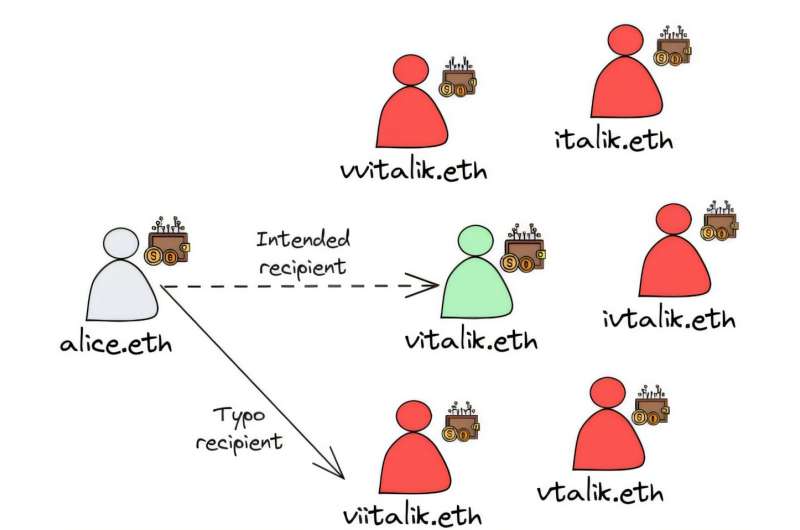
- Wallets: Attackers generate identical wallet addresses, fooling users into sending money to false addresses.
- Tokens: Spammers create fake token names that are very similar to real ones, confusing investors.
- Websites: Phishing domains mimic legitimate crypto platforms to steal credentials or install malware.
How Does Crypto Typosquatting Impact Developers and Users?
Crypto Typosquatting impacts both users and developers:
Impact on Developers
- Reputation Damage: Users can connect the false experience with the authentic platform.
- Economic Loss: Crypto Typosquatting allows attackers to steal the money intended for the real service, impacting revenue streams.
Impact on Users
- Financial Losses: The users mistakenly engaging with the fake sites lose money.
- Data Theft: Sensitive credentials like private keys could be stolen.
- Malware Attacks: Malicious code can affect users’ security, resulting in additional economic and personal data incursions.
How is Crypto Typosquatting Different from Cybersquatting?
Cybersquatting and Crypto Typosquatting are both misleading domain registrations but are different in approach. Cybersquatting is when an individual registers a domain name that is similar to a popular project or exchange prior to the rightful owner. This is usually done to extort money from the owner or trick users into believing the site is legitimate. The motive is typically financial profit through resale or scamming.
Crypto Typosquatting, on the other hand, is based on the errors of users in the form of misspellings of actual domain names. Scammers purchase domains with minimal differences, like extra or dropped letters, to deceive users into filling in confidential information. This strategy is particularly risky in the crypto environment, where innocent users could provide login credentials on a fake site, resulting in theft of funds or personal information.
For instance, cybersquatting would entail registering “EthereumExchange.com” before Ethereum develops an official exchange. Crypto Typosquatting, on the other hand, would entail registering “Binannce.com” with a duplicate “n” to resemble Binance. Inadvertent users who type in the wrong address may end up on a phony website created to steal their credentials or funds, and hence this is a serious cyber threat.
How To Prevent Crypto Typosquatting?
Crypto Typosquatting can be prevented by proactive action from developers and users. One such measure is domain monitoring, where similar domain name registrations are tracked to identify potential risks in advance. Another measure that can be taken by companies is registering frequently misspelled variations of their domains to keep fraudsters from taking advantage of user errors. Through these precautions, businesses can minimize the risk of fraud and save their users from falling prey to scam websites.
User education is important in avoiding Crypto Typosquatting attacks. Educating users to check URLs before inputting sensitive information can assist them in evading phishing attacks. Organizations should also raise awareness of legitimate websites and warning signs of fake domains. Adding security features such as SSL certificates, trust seals, and multi-factor authentication further adds legitimacy to websites and ensures that users can access crypto platforms securely without worrying about credential theft.
Coordination with authorities is also a key tactic in fighting Crypto Typosquatting. Crypto companies ought to coordinate with domain registrars and authorities to detect and close down impostor sites. Through reporting suspicious domains and legal prosecution of cybersquatters, firms can stop scams from propagating.
Conclusion
Crypto Typosquatting is becoming a serious risk in the industry, impacting developers and users alike. Understanding its mechanics, adopting protective features, and taking legal action when appropriate can help minimize risks for the community. As the industry evolves, increased awareness and proactive security strategies will be crucial in safeguarding digital assets and maintaining trust in the crypto ecosystem.
Disclaimer: Crypto products and NFTs are unregulated and can be highly risky. There may be no regulatory recourse for any loss from such transactions. All content provided is for informational purposes only, and shall not be relied upon as financial/investment advice. Opinions shared, if any, are only shared for information and education purposes. Although the best efforts have been made to ensure all information is accurate and up to date, occasionally unintended errors or misprints may occur. We recommend you do your own research or consult an expert before making any investment decision. You may write to us at help@suncrypto.in.