

Where do altcoins stand in 2026?
The altcoin market in late March 2026 feels uneven. Bitcoin dominance remains high at 58.16%. Because the Altcoin Season Index sits at 35 out of 100, capital is staying with Bitcoin rather than flowing into smaller tokens.
Data shows that 38% of altcoins are trading near their all-time lows. Liquidity is mostly tied up in Bitcoin, limiting price growth for other projects. However, a few assets with real utility are gaining ground. Tron (TRX), Hyperliquid (HYPE), and Across Protocol (ACX) are three projects showing unique momentum in this environment.
Tron Price Outlook: Stability in a Mature Ecosystem
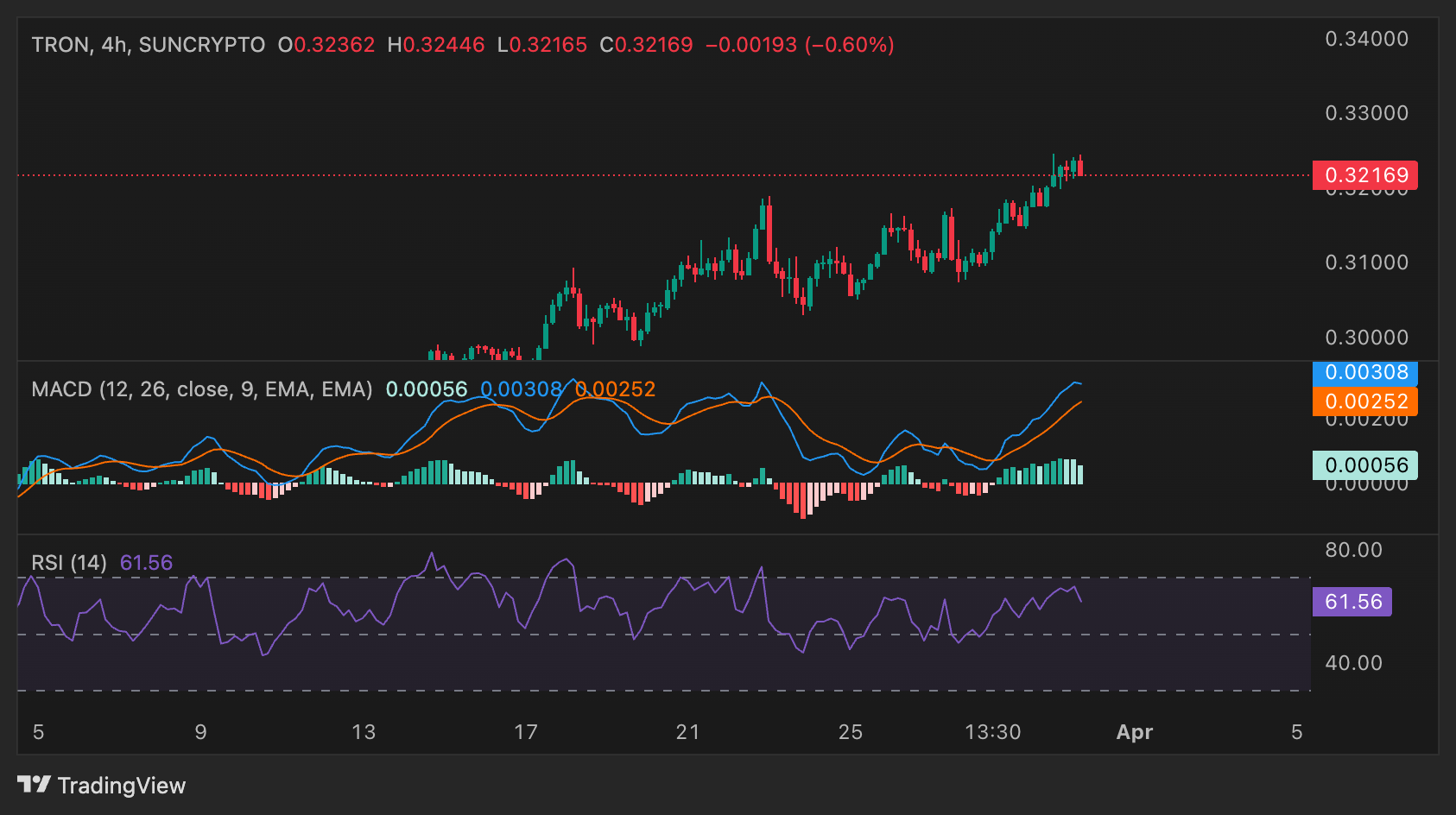
Tron is a steady name among the top ten altcoins. Most analysts expect it to trade between $0.30 and $0.60 this year. This outlook relies on Tron’s growing role in global payments.
Tron leads the market in USDT circulation. By mid-2025, the network hosted roughly $80 billion in stablecoins. Lower transaction fees have also helped increase daily usage. The network burns TRX when people use it, which reduces the total supply over time. While competition from Solana and BNB Chain is strong, Tron (TRX) could reach $1.20 if it breaks above $0.50. For many, Tron is a “safe” choice in a volatile market.
Hyperliquid Price Prediction: The Rise of On-Chain Derivatives
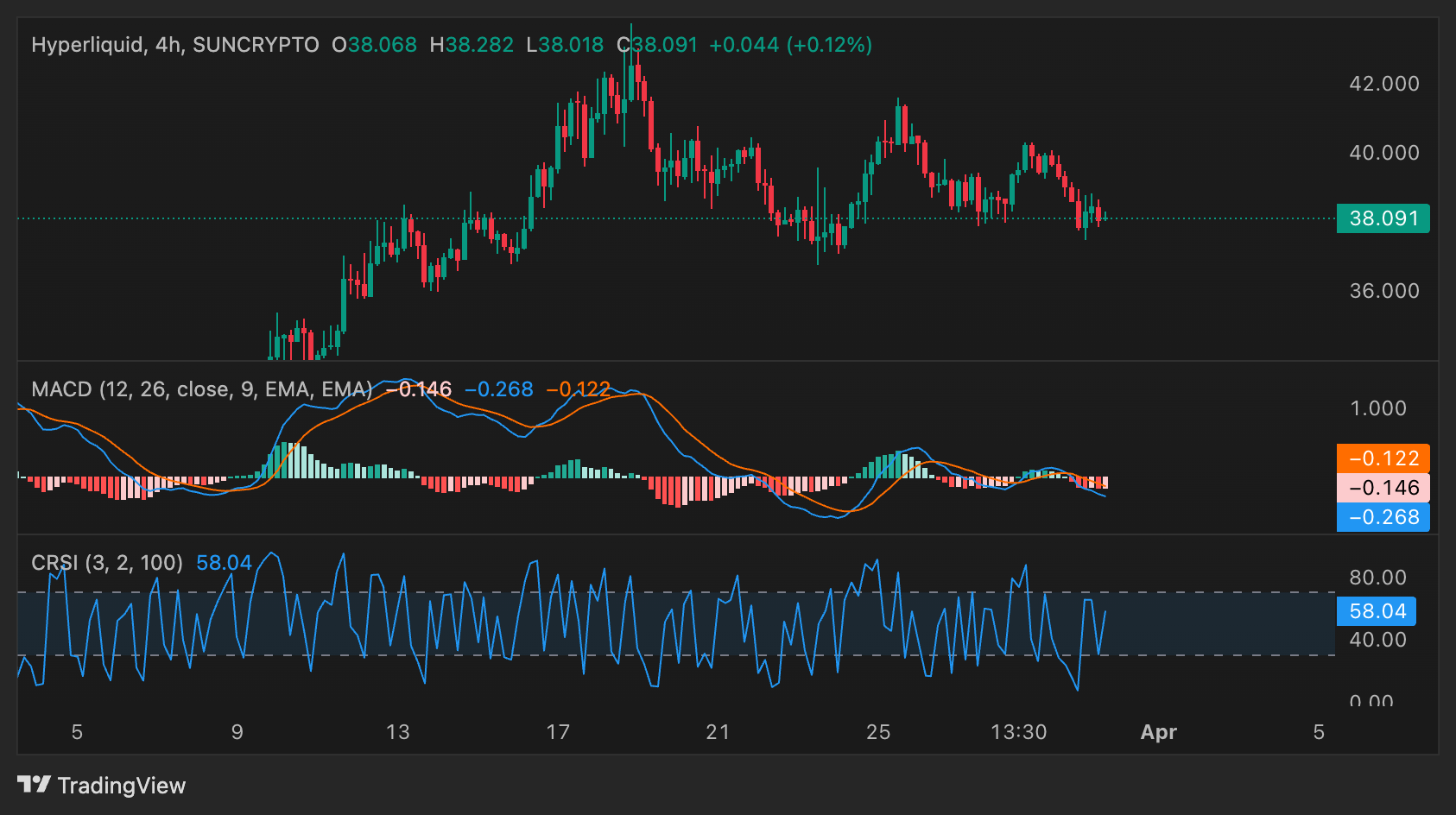
Hyperliquid is growing fast as a leader in decentralised trading. It uses a buyback-and-burn model, where 97 per cent of protocol fees are allocated to supporting the HYPE token. This creates a strong link between platform activity and token value.
A recent upgrade enabled users to trade real-world assets such as oil and silver. During market shifts in early March, oil trading volume topped $5 billion in just three days. Analysts expect HYPE to trade between $25 and $90 in 2026. If adoption continues, it might average $60 this year. One risk to watch is the release of team tokens through 2028. This new supply could slow down price jumps during quiet market periods.
TAO Price Outlook: The Decentralized AI Network Making Waves
Bittensor is not just another crypto project — it is building a decentralized marketplace for artificial intelligence, where anyone can contribute, consume, and monetize AI models across a growing network of specialized subnets. Often called the “Bitcoin of AI,” TAO shares Bitcoin’s fixed supply model of 21 million tokens, giving it a deflationary edge as adoption grows.
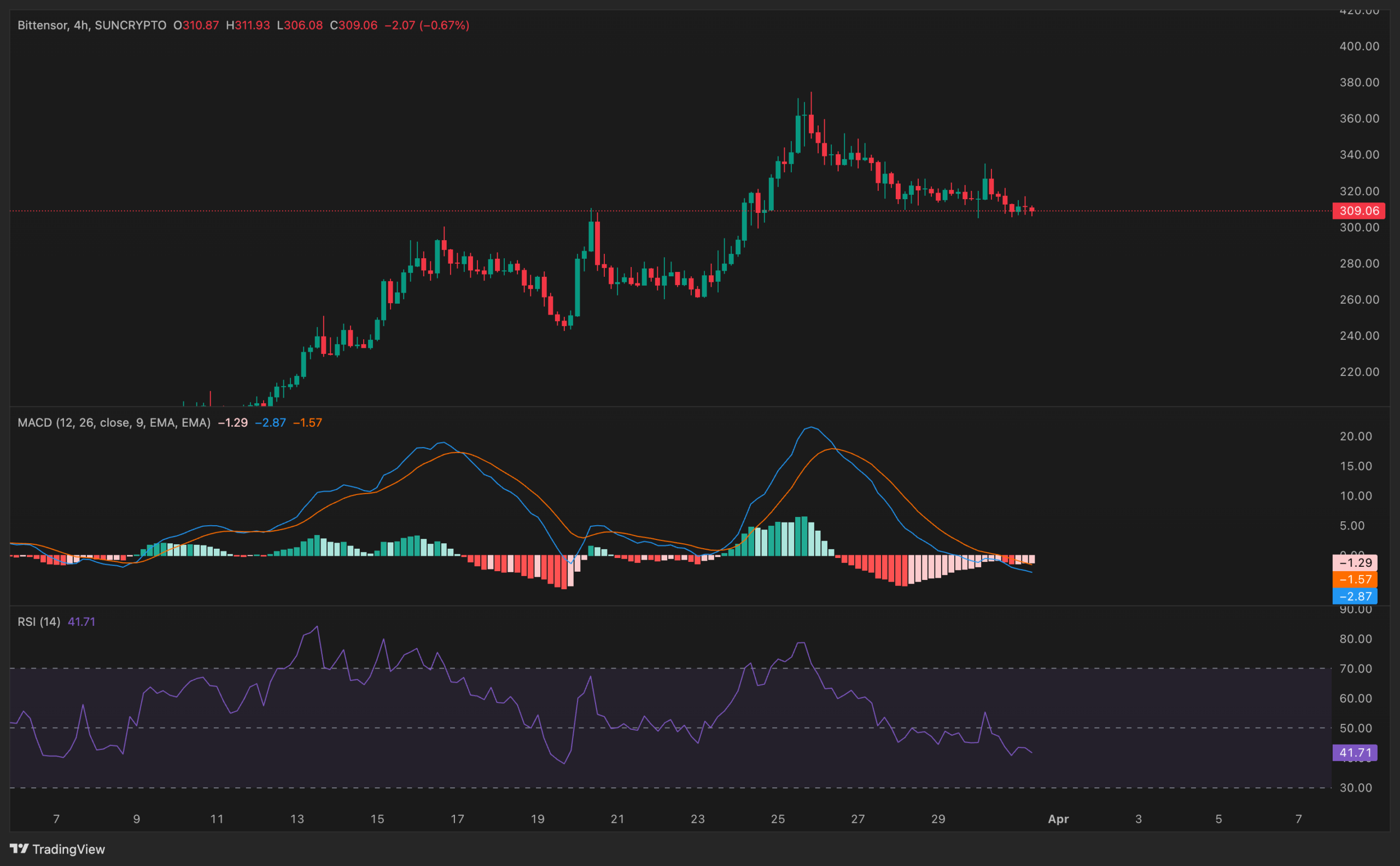
TAO surged over 100% in March 2026, rising from around $180 to above $330, as its subnet ecosystem expanded rapidly—with subnet count growing from around 80 to over 120 in the past year. Total value staked across Bittensor’s AI subnets skyrocketed from roughly $74,000 a year ago to over $620 million, reflecting explosive real-world adoption.
On the All-In Podcast, venture investor Chamath Palihapitiya spotlighted Bittensor’s Covenant-72B—calling it “a pretty crazy technical accomplishment”—and Nvidia CEO Jensen Huang responded by endorsing decentralized and open-source AI as complementary to proprietary models, effectively validating Bittensor’s core thesis in front of a mainstream tech audience.
The network’s first halving in December 2025 cut new TAO issuance by 50%, a move designed to control inflation—and the market responded with a surge to four-month highs. A potential subnet cap expansion from 128 to 256 and a pending spot TAO ETF decision from the SEC are the two biggest catalysts on the horizon for 2026.
The most likely price scenario puts TAO between $400 and $550 by December 2026, with a bull case of $600–$700 if the ETF gets approved and institutional money flows in. However, a critical counterpoint exists—analysis warns that Bittensor’s $1.37 billion subnet valuation is sustained by an estimated $52 million in annual TAO subsidies rather than organic revenue, raising questions about long-term economic sustainability post-halving.
For investors, TAO sits at a compelling but high-risk crossroads—strong AI narrative, institutional validation, and deflationary supply on one side; subsidy-dependent economics and near-term resistance on the other.
Key risks across all 3 tokens
- No investment comes without a risk.
- High interest rates from the Federal Reserve often pull money out of risky assets like crypto.
- If Bitcoin stays dominant, altcoins will struggle to start a major rally.
- Each of these three tokens also faces regulatory uncertainty as governments update their crypto laws.
Which crypto has the strongest outlook?
The “best” token depends on your goals. Tron offers stability through its massive stablecoin network. Hyperliquid has high growth potential because of its unique trading model. Across Protocol is a speculative play that relies on its new corporate strategy. Crypto markets change quickly, so these predictions are just one part of a larger picture.
Disclaimer: Crypto products & NFTs are unregulated and can be highly risky. There may be no regulatory recourse for any loss from such transactions.
What is the Hyperliquid price prediction for 2026?
Most analysts forecast HYPE in a range of $25 to $90 for 2026, with the average closer to $50-$60 depending on whether trading volumes and ecosystem growth continue at their current pace.
Is Hyperliquid a good investment compared to Tron?
They cater to different risk appetites. Tron is more established with steadier utility and lower volatility. Hyperliquid offers higher growth potential but comes with team token unlocks and a volatile derivatives-heavy user base.
Are altcoin price predictions reliable?
Price predictions are based on historical data, technical indicators, and assumptions about future adoption. They do not account for black swan events, regulatory shifts, or macroeconomic surprises. Use them as one data point among many, not a trading signal.