
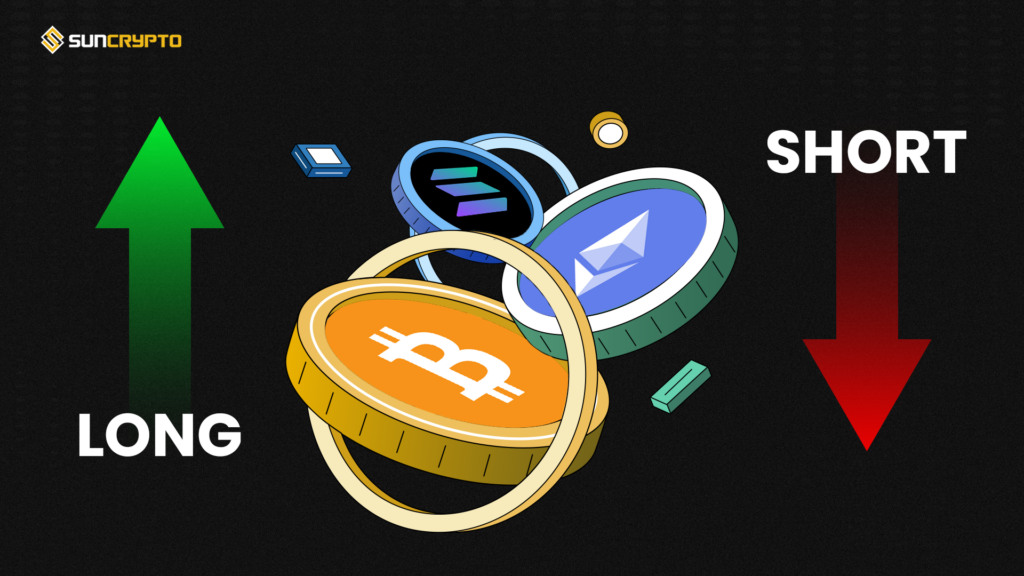
Crypto futures allow investors to trade in digital asset prices without actually owning them. This guide explains how essential order types help beginners navigate highly volatile cryptocurrency markets safely and effectively.
What are crypto futures?
Unlike spot market trading, where you buy and hold an asset, crypto futures involve an agreement to buy or sell a specific cryptocurrency at a predetermined price on a future date. You are trading contracts, not the actual coins. This allows traders to profit in both bull and bear markets by predicting whether the price will rise (long position) or fall (short position). However, the speed and volatility of these digital markets require immense precision and discipline.
Order Types in Futures, every beginner should know
To survive in the futures market, you must understand three foundational order types:
- Market Order: This executes your trade immediately at the current available market price.
- Limit Order: This allows you to set a specific maximum price you are willing to pay or a minimum price you are willing to accept for a sale. The trade only executes if the market reaches your exact level, offering excellent price control.
- Stop Market Order: Once the stop price is hit, the order becomes a market order and executes immediately at the next available price.
- Stop Limit Order: Once the stop price is hit, the order becomes a limit order, executing only at your specified price or better.
How does leverage impact crypto futures?
Leverage is borrowed capital provided by the exchange, allowing you to control a large position with a very small initial deposit (known as margin).
For example: If you use 10x leverage on a ₹1000 deposit, you control ₹10,000 worth of crypto. While this amplifies your profits, it heavily impacts your risk profile.
A mere 10% price drop against your position will wipe out your entire ₹1000 margin, triggering an automatic liquidation order by the exchange to recover its funds.
Common Mistakes Beginner Futures Traders Make
- The most frequent error is trading without a stop-loss.
- exposing the entire account balance to liquidation.
- Beginners also tend to overuse leverage, turning a manageable, calculated trade into a high-stakes gamble.
- Finally, many novices rely exclusively on market orders during highly volatile periods, suffering massive slippage costs instead of using disciplined limit orders to control their entry prices.
Conclusion
Crypto futures trading offers incredible opportunities for capital growth, but it is an unforgiving environment for the unprepared investor. By mastering limit and stop-loss orders, strictly managing your leverage, and avoiding emotional decisions, you can protect your capital and approach the digital asset market like a professional risk manager.
What is the safest order type for beginners in futures trading?
A limit order combined with a strict stop-loss is the safest approach, as it gives you complete control over your entry and exit prices.
Why is stop-loss important in leveraged trading?
Because leverage multiplies losses, a small adverse price movement can liquidate your entire account. A stop-loss automatically cuts the trade before that happens.
What is the difference between market orders and limit orders?
Market orders prioritise execution speed over price accuracy, while limit orders prioritise price accuracy over execution speed.
Can beginners start crypto futures trading?
Yes, Beginners can join SunCrypto WhatsApp channel “SC Insights and Strategies” to learn execution of trades and strategies behind each trade, analysing market trends.