

The open-source crypto ecosystem is a fertile ground for both innovation and exploitation. One of the tools that has enabled thousands of developers to build on top of the Bitcoin blockchain is Bitcoinlib, a powerful Python library that makes it easy to create wallets, manage transactions, and integrate with blockchains.
Yet, a recent incident involving library serves as a reminder of the increasing danger of software supply chain attacks in the crypto industry. Today, let’s find out what this library is, how it was compromised, and what this implies for developers, investors, and the greater cryptocurrency world.
What Is Bitcoinlib and Why Does It Matter?
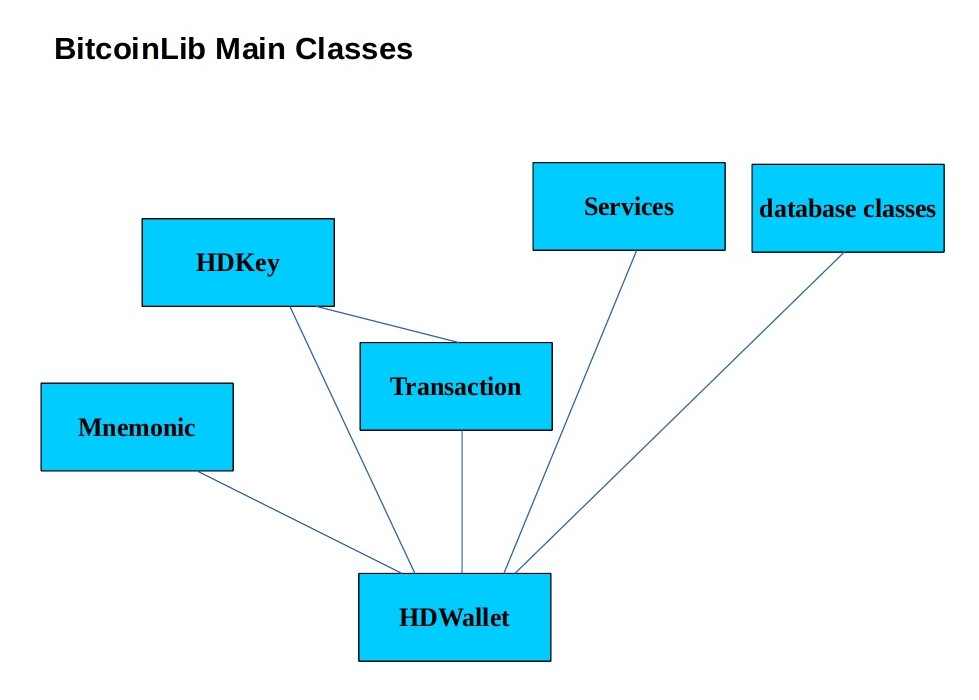
Bitcoinlib is a popular Python library meant to simplify it for developers to work with the Bitcoin blockchain. Whether you are developing a new crypto wallet, checking transactions, or developing decentralized applications, it is a solid foundation to build on.
Fundamentally, it enables developers to:
- Develop and manage secure Bitcoin wallets.
- Sign and broadcast Bitcoin transactions.
- Interface with both the Bitcoin mainnet and testnets.
- Take advantage of open-source flexibility for customizing and innovating.
Since its launch, library has been downloaded more than 1 million times, a reflection of its popularity and usefulness among the crypto developer community. As Bitcoin, Ethereum, Dogecoin, and XRP keep gaining mainstream traction, libraries like this one are becoming crucial to developing the next generation of blockchain applications.
How Was Bitcoinlib Targeted in a PyPI Attack?
In April 2025, this library was the center of a significant cybersecurity incident, but through a sophisticated software supply chain attack using a method known as typosquatting. The attack took advantage of developers’ faith in the Python Package Index (PyPI), where library resides.
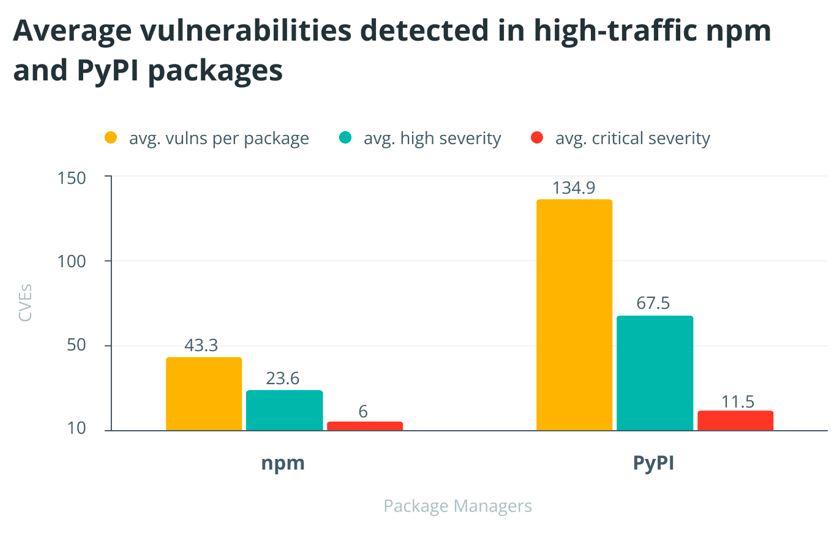
The hackers posted fake packages with names such as bitcoinlibdbfix and bitcoinlib-dev with the intention of deceiving unsuspecting developers into thinking they were legitimate updates. The packages, once downloaded, installed wallet-draining malware intended to steal private keys and divert Bitcoin money.
The popularity of library and its use in handling sensitive crypto assets made it a desirable target. With so many developers using it to create wallets for Bitcoin and even testing interoperability with Ethereum or Dogecoin, the risk was severe
Why Is Typosquatting So Effective Against Bitcoinlib Users?
The reason this attack worked so well against library users lies in the subtlety of typosquatting. This technique involves the installation of package names almost identical to known ones, preying on small human errors or assumptions.
Here’s what made the Bitcoinlib attack so successful:
- Deceptive Naming: The counterfeit packages mimicked real solutions.
- Trusted Platform: PyPI is generally trusted, therefore, users were less suspicious.
- Beginner Vulnerability: Less experienced developers employing library might have been unaware of checking package legitimacy.
With more and more developers starting to experiment with crypto software—whether creating Dogecoin trading bots or adding XRP payments—the Bitcoinlib attack is a wake-up call to double-check everything, particularly when working with financial code.
What Role Did ReversingLabs Play in Detecting the Bitcoinlib Threat?
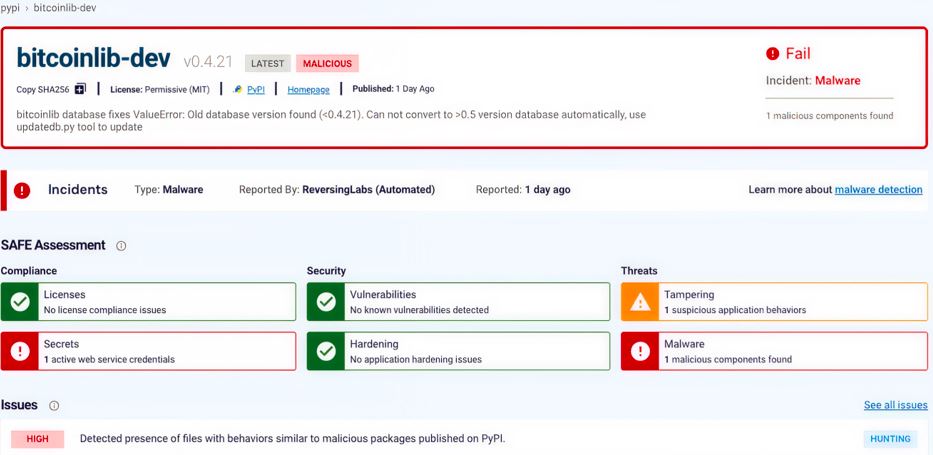
Cybersecurity company ReversingLabs was instrumental in detecting and stopping the malicious campaign against library. Their 2025 Software Supply Chain Security Report uncovered a staggering increase in attacks on crypto-related libraries, particularly via open-source platforms such as PyPI and npm.
ReversingLabs employed machine learning to identify patterns in such malicious packages. In doing this, they labeled bitcoinlibdbfix and bitcoinlib-dev as malicious, which halted further damage. Remarkably, they termed cryptocurrency the “canary in the coal mine,” pointing out that the lofty financial stakes of Bitcoin, Ethereum, Dogecoin, and XRP position crypto platforms as first points of call for hackers to try new tactics.
For developers who are depending on library, this discovery serves to highlight the value of community-based security and vigilant observation of open-source repositories.
What Can Beginners Learn from the Bitcoinlib Hack?
If you’re new to crypto or Python development, the library incident might feel like a red flag. But in reality, it’s an opportunity to learn the best practices for staying safe. Library remains one of the most approachable and powerful libraries for Bitcoin development, as long as it’s used responsibly.
Here’s what the newcomers can learn:
- Use official sources: Use the original library package on PyPI.
- Check everything out: Check download statistics, ratings, and GitHub links.
- Maintain wallet security: Always store private keys away from your development devices.
- Keep yourself updated: Find out how these attacks occur, particularly if you’re developing applications that process Bitcoin, Ethereum, or Dogecoin transactions.
Conclusion
Bitcoinlib itself is not compromised and can still be used, but only if it is downloaded from trusted, reliable sources. The recent typosquatting attack did not reveal vulnerabilities in the code of the library, but rather in the general software distribution ecosystem and developer trust.
Disclaimer: Crypto products and NFTs are unregulated and can be highly risky. There may be no regulatory recourse for any loss from such transactions. All content provided is for informational purposes only, and shall not be relied upon as financial/investment advice. Opinions shared, if any, are only shared for information and education purposes. Although the best efforts have been made to ensure all information is accurate and up to date, occasionally unintended errors or misprints may occur. We recommend you do your own research or consult an expert before making any investment decision. You may write to us at help@suncrypto.in.